Upper Assemblies

DOE 9mm Upper Assembly — A1 Pattern

$1,350.00

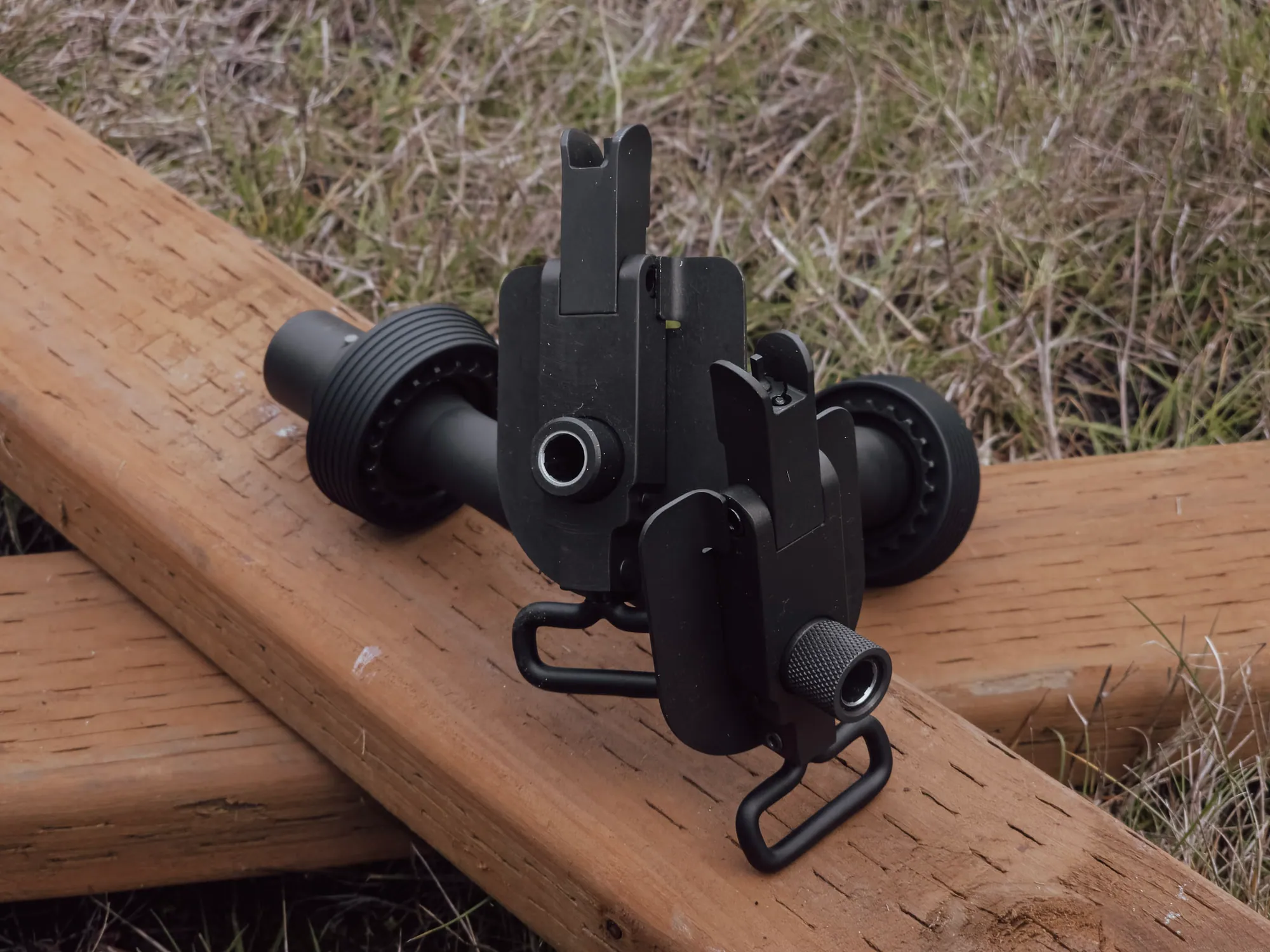
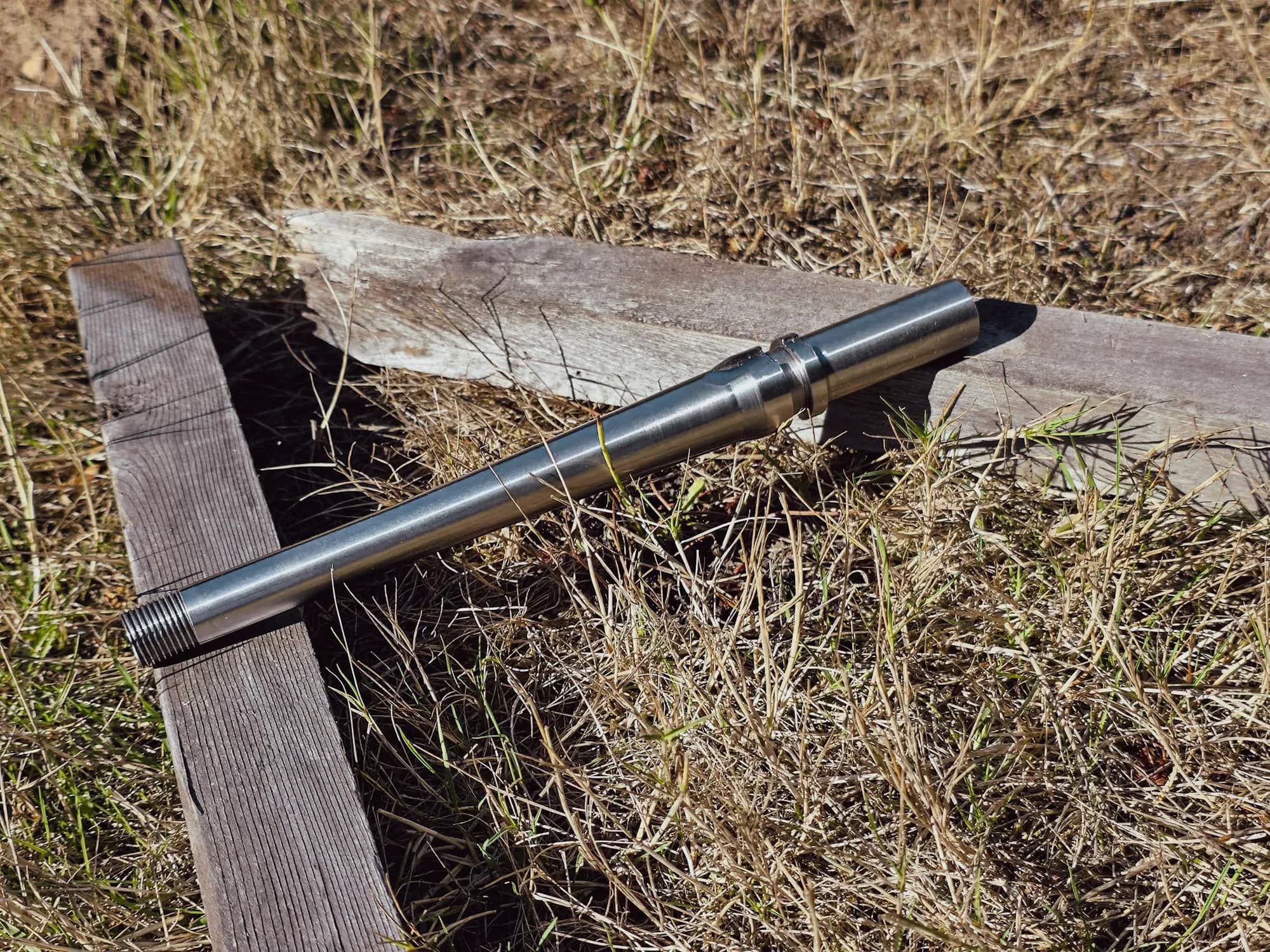
A made-to-order A1-pattern upper assembly with a compact retro profile, fully manufactured in house at our shop in Kent, Washington. The DOE 9mm upper has been a staple of the shop since 2012.

Muzzle: Non-threaded
Bolt: Stock Bolt Assembly

To order, call or email the shop.

(253) 632-5643
machineguntom4@yahoo.com

A compact pattern from a practical era

In the final decades of the Cold War, American security agencies faced a problem that demanded something different: a firearm compact enough for vehicles, facilities, and confined spaces, yet familiar enough to those already trained on the AR-15 and M16 family.

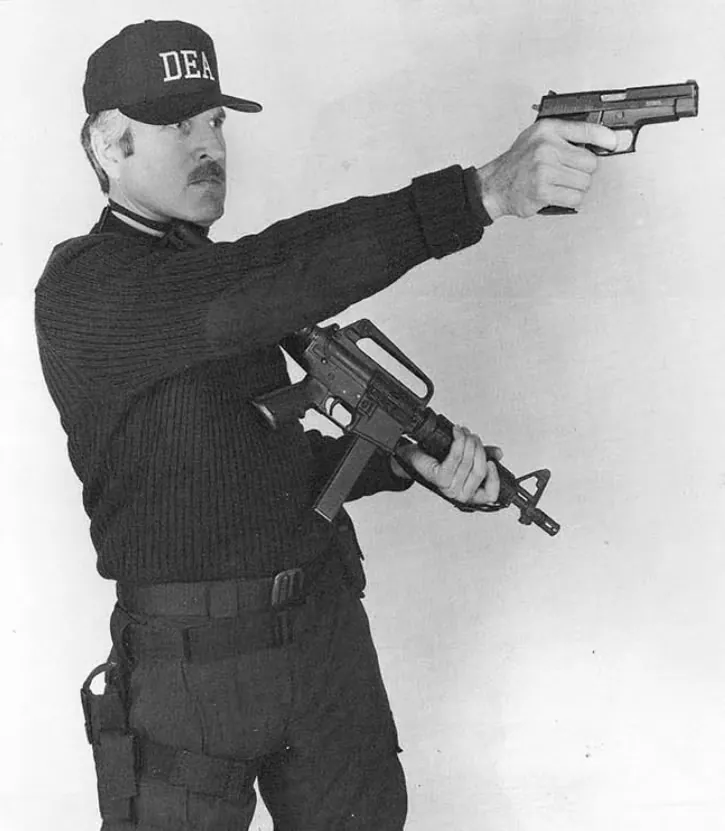
Colt's answer was a compact 9mm submachine gun that would become known as the DOE 633.

DOE 9mm Upper Assembly — A1 Pattern archival feature

01

Built for the Close Quarters

Born from a requirement for compact security firearms, the DOE's shortened proportions were shaped around vehicles, facilities, and confined environments. Every inch of the platform reflects a simple philosophy: retain the familiar AR pattern while making it exceptionally compact.

02

Cold War Utility

The DOE embodies the uncompromising industrial character of late-Cold War American firearms. Forged receivers, utilitarian furniture, exposed hardware, and purpose-driven geometry leave little room for ornamentation. Nothing is decorative. Everything has a job.

03

An Iconic Silhouette

Few firearms are as instantly recognizable as the DOE. Its abbreviated handguard, compact profile, carry-handle receiver, and distinctive 9mm magazine create a silhouette that has become legendary among retro firearms collectors. It is unmistakably Colt—and unmistakably its own.

DOE 9mm Upper Assembly — A1 Pattern Created Against a New Threat

01

Created Against a New Threat

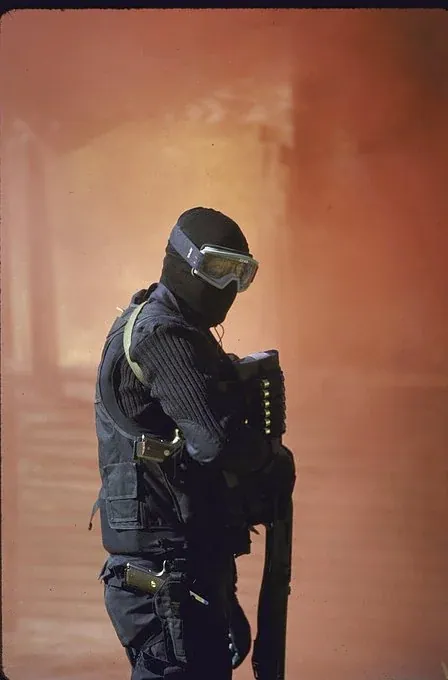
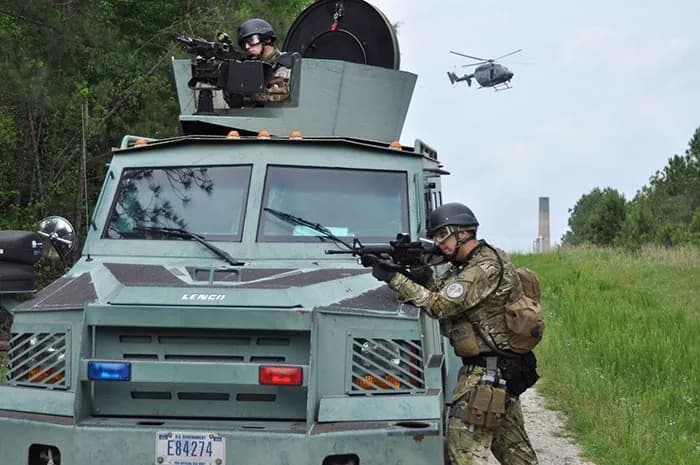
The Department of Energy's protective forces grew from a simple but extraordinary responsibility: safeguarding America's nuclear weapons, special nuclear materials, research facilities, and national-security infrastructure. By the early 1980s, the threat environment had changed. Terrorism, sabotage, and the possibility of attacks against nuclear facilities demanded something more than conventional industrial security. DOE began transforming its protective forces into highly trained, heavily armed security organizations capable of responding to serious threats.
DOE 9mm Upper Assembly — A1 Pattern The Cold War Years

02

The Cold War Years

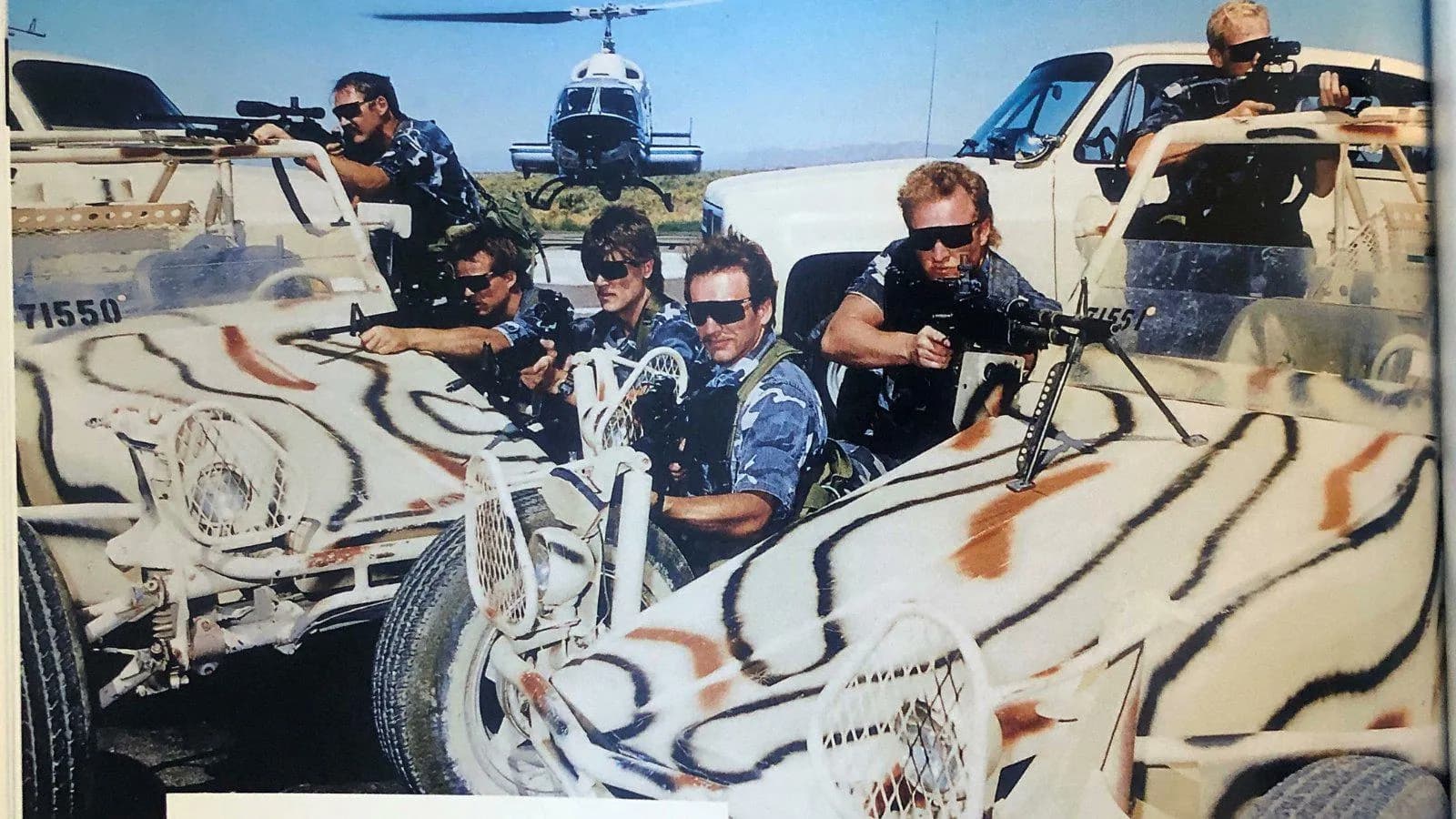
During the 1980s and into the early 1990s, DOE security forces reached their most formidable scale. Protective personnel guarded nuclear laboratories, production facilities, weapons sites, and sensitive materials across the country, while specialized federal agents protected nuclear shipments on America's highways. In 1992, DOE protective forces numbered approximately 5,640 personnel nationwide—a reflection of the extraordinary security demands of the late Cold War. It was within this world of heightened readiness that compact weapons such as the Colt 633 found their purpose.

DOE 9mm Upper Assembly — A1 Pattern A Mission That Remains

03

A Mission That Remains

The end of the Cold War brought significant reductions in DOE protective-force manpower, but it did not eliminate the mission. Today, DOE and the National Nuclear Security Administration continue to employ protective forces and federal agents to safeguard nuclear facilities, special nuclear materials, weapons, and other national-security assets. The Office of Secure Transportation, descended from the transportation organization established in 1975, continues to operate from commands in Albuquerque, Amarillo, and Oak Ridge. The mission has changed with the times—but the fundamental responsibility remains the same: protecting some of America's most consequential assets.